
Learn how to create nutritious and delicious coconut date balls using premium Medjool dates, crunchy nuts, and shredded coconut for a naturally sweet, no-bake snack. This guide covers the history, ingredients, and professional techniques needed to master these versatile treats at homemademenus.com.
Finding the perfect balance between a healthy snack and a decadent treat can often feel like a challenge in a busy American household. Many of us reach for processed granola bars or sugary snacks out of convenience, only to find ourselves crashing an hour later. Carmen Maria Márquez has spent years exploring how simple, whole ingredients can be transformed into high-energy bites that satisfy the sweet tooth without the guilt of refined sugars. Coconut date balls represent the pinnacle of this philosophy, offering a chewy, satisfying texture and a rich flavor profile that feels like a luxury.
The beauty of these confections lies in their simplicity and the quality of the components used. By relying on the natural sugars found in fruit and the healthy fats in nuts, you can create a snack that is both functional and delicious. Whether you are looking for a quick pre-workout boost or a sophisticated addition to a brunch spread, these bites are a reliable choice. At homemademenus.com, we believe that the best recipes are those that bridge the gap between tradition and modern dietary needs.
In the following sections, we will dive deep into the historical significance of dates, the essential kitchen tools required for the best results, and creative ways to customize your batches. You will discover why certain varieties of dates are preferred for binding and how to achieve a professional-looking finish every time. Stay with us to unlock the secrets of this timeless snack and learn how to integrate these wholesome pantry staples into your weekly routine for maximum meal-prep efficiency.
Historical Roots of Date-Based Sweets
Origins in Middle Eastern Culinary Traditions
The history of using dates as a primary sweetener and energy source dates back thousands of years. In the arid climates of the Middle East, the date palm was often referred to as the “tree of life.” Ancient civilizations recognized that dates were not only delicious but also highly durable, making them an essential food source for long journeys across the desert. These early cooks would often mash dates into a thick paste, sometimes mixing them with local grains or seeds to create portable, energy-dense cakes.
These traditional methods laid the groundwork for the modern “energy ball” we see today. In Middle Eastern markets, or souks, you can still find an array of confections that rely on the sticky, honey-like quality of dates to hold together nuts and spices. This cultural heritage emphasizes the use of what the land provides, focusing on natural preservation and the inherent sweetness of sun-ripened fruit rather than imported sugars.
The Significance of Dates in Mediterranean Cultures
As trade routes expanded, the cultivation of the date palm spread across the Mediterranean basin. In these regions, dates became a symbol of hospitality and abundance. It was common to welcome guests with a bowl of dates and a cup of strong coffee or tea, a practice that continues in many households today. The fruit was integrated into both savory and sweet dishes, showcasing its incredible versatility in various culinary applications.
Mediterranean cooks often paired dates with regional nuts like almonds and pistachios, creating simple desserts that celebrated local harvests. These pairings were not just about flavor; they were also about nutrition. Combining the carbohydrates from the fruit with the protein and fats from the nuts provided a sustained release of energy, making these treats a smart choice for laborers and travelers alike. This tradition of functional snacking is a direct ancestor to our modern coconut date balls.
Evolution from Traditional to Modern Recipes
In recent decades, the recipe for date-based sweets has undergone a significant transformation to meet the needs of health-conscious consumers. While the core concept remains the same, modern versions emphasize “clean eating” and the avoidance of processed additives. Today’s recipes often include superfoods like chia seeds or flaxseeds, enhancing the nutritional profile while maintaining the classic chewy texture that people have loved for generations.
The accessibility of high-speed kitchen appliances has also changed the way these treats are prepared. What once required hours of manual mashing and chopping can now be accomplished in minutes using a food processor. This evolution has made it possible for the average home cook to produce professional-quality snacks at home, ensuring that the legacy of date-based confections continues to thrive in contemporary American kitchens.
Characteristics of Coconut Date Balls
Texture Profiles of Soft and Crunchy Elements
One of the most appealing aspects of coconut date balls is the complex interplay of textures. The base, primarily composed of processed dates, provides a soft, fudgy consistency that acts as the “glue” for the other ingredients. This softness is punctuated by the inclusion of nuts, which offer a satisfying crunch in every bite. Achieving the right balance between these two elements is key to a successful batch, ensuring the balls are neither too mushy nor too brittle.
To enhance this profile, many enthusiasts prefer to leave the nuts slightly coarse rather than grinding them into a fine flour. This creates a more rustic, artisan feel. Additionally, the inclusion of seeds like chia or hemp can add a subtle, poppy texture that complements the smoothness of the fruit. Understanding these textural nuances allows you to tailor the recipe to your personal preferences, creating a snack that is as enjoyable to eat as it is nutritious.
Natural Sweetness Without Refined Sugars
In an era where many people are looking to reduce their intake of processed sugars, coconut date balls offer a perfect solution. The sweetness comes entirely from the dates, which contain natural fructose and glucose alongside beneficial fiber. This fiber is crucial because it helps slow down the absorption of sugar into the bloodstream, preventing the sharp insulin spikes often associated with candy or traditional cookies. It is a strategic opportunity to enjoy a dessert that supports long-term health goals.
Because the sweetness is so concentrated, you often don’t need any additional maple syrup or honey. The depth of flavor in a high-quality date is reminiscent of caramel or molasses, providing a complex taste that refined white sugar simply cannot match. This makes the treats a favorite for parents looking to provide their children with “nature’s candy” while avoiding the additives found in store-bought snacks.
Visual Appeal of the Coconut Coating
While the internal mixture is dark and dense, the final coating of unsweetened shredded coconut provides a striking visual contrast. The bright white flakes give the balls a clean, snowy appearance that makes them look like sophisticated solutions for a dessert tray. This coating isn’t just for aesthetics, though; it also serves a practical purpose by preventing the sticky date mixture from clinging to your fingers or to other balls in a storage container.
You can experiment with different types of coconut to change the look and mouthfeel. Fine-shredded coconut creates a smooth, velvet-like finish, while larger flakes or fresh coconut can provide a more dramatic, shaggy appearance. For those who want to elevate the artisan presentation, lightly toasting the coconut before rolling can add a golden hue and a nutty aroma that further enhances the overall experience.
Primary Ingredients for Date Confections
Primary Ingredients for Date Confections

Disclosure: This post contains affiliate links.If you click and make a purchase, I may earn a small commission at no extra cost to you.
Selecting Medjool Dates for Binding
When it comes to making the best date balls, the variety of date you choose makes a significant difference. Medjool dates are widely considered the gold standard for this recipe because of their large size, soft texture, and high moisture content. They are often described as “nature’s powerhouses” because they blend into a smooth, sticky paste very easily. Using a premium variety like Medjool ensures that your snack balls will hold their shape without falling apart.
Before using them, it is essential to ensure they are fresh and pliable. If your dates have been sitting in the pantry for a while and feel a bit tough, you can soak them in warm water for about ten minutes to rehydrate them. This small step ensures a high performance from your food processor and a much smoother final product. Always remember to remove the pits before processing to avoid damaging your equipment or ending up with hard bits in your treats.
Incorporating Raw Almonds and Chia Seeds
To balance the sweetness and add nutritional value, raw almonds are a staple ingredient in most coconut date ball recipes. They provide a neutral, nutty flavor and a wealth of healthy fats and protein. Using raw nuts instead of roasted ones keeps the flavor profile fresh and allows the natural taste of the dates to shine. For those seeking even more health benefits, chia seeds are an excellent addition, providing omega-3 fatty acids and extra fiber.
The interaction between the almonds and the date paste creates a structural integrity that makes the balls easy to handle. If you prefer a more intense nut flavor, you can lightly toast the almonds beforehand, but many prefer the clean taste of the raw version. These ingredients are wholesome pantry staples that most home cooks already have on hand, making this a smart investment of your time and kitchen resources.
Enhancing Flavor with Vanilla and Salt
While dates and nuts are the stars, a few “supporting characters” can take the flavor from good to exceptional. A splash of high-quality vanilla extract adds a layer of aromatic sweetness that rounds out the caramel notes of the dates. It provides a premium value to the overall taste profile, making the snack feel more like a gourmet dessert. Vanilla bridges the gap between the different ingredients, creating a cohesive and well-balanced flavor.
Equally important is a pinch of fine sea salt. Salt is a powerful flavor enhancer that cuts through the intense sweetness of the fruit, making the other flavors pop. Without it, the date balls can sometimes taste one-dimensional. By adding just a touch of salt, you achieve a professional level of seasoning that highlights the complexity of the Medjool dates and the creaminess of the coconut.
Functional Benefits of Coconut Date Balls
Versatility as a Breakfast or Snack Option
One of the reasons coconut date balls have become so popular in the United States is their incredible versatility. They are small enough to be a quick “on-the-go” breakfast for commuters who don’t have time for a full meal. Paired with a piece of fruit or a hard-boiled egg, two or three balls provide enough energy to power through a busy morning. They also serve as an excellent mid-afternoon snack to help bridge the gap between lunch and dinner.
Because they are packed with fiber and healthy fats, they offer a more sustained energy release than traditional snacks. This makes them a favorite for athletes or hikers who need a high performance fuel source that won’t weigh them down. At homemademenus.com, we often recommend them as a post-workout recovery snack because they help replenish glycogen stores while providing a bit of protein from the nuts.
Budget-Friendly Nature of Pantry Staples
While some specialty health foods can be expensive, the ingredients for coconut date balls are relatively budget-friendly when bought in bulk. Dates, nuts, and shredded coconut have a long shelf life, allowing you to stock up when they are on sale. Making your own snacks at home is a smart investment compared to buying individual pre-packaged energy bars, which often contain fillers and preservatives you don’t need.
By controlling the ingredients yourself, you are ensuring you get the most long-term value out of your grocery budget. You can adjust the ratio of expensive nuts to more affordable seeds or oats depending on your financial goals. This DIY approach not only saves money but also reduces packaging waste, making it an environmentally conscious choice for the modern American household.
Advantages of No-Bake Culinary Techniques
The “no-bake” aspect of this recipe is a major advantage, especially during the hot summer months when you want to avoid turning on the oven. It simplifies the cooking process and reduces the time spent in the kitchen. For many, the lack of heat also means that the heat-sensitive nutrients in the raw ingredients remain intact, providing a more “alive” and nutrient-dense snack.
No-bake techniques are also incredibly forgiving. If the mixture is too dry, you can simply add another date; if it’s too wet, you can add a few more nuts or some oats. This flexibility makes it a great “starter” recipe for those who are just beginning to explore healthy cooking. It also means you can whip up a batch at a moment’s notice whenever you realize your snack stash is running low, contributing to overall meal-prep efficiency.
Necessary Kitchen Tools for Preparation
Using a Food Processor for Efficient Blending
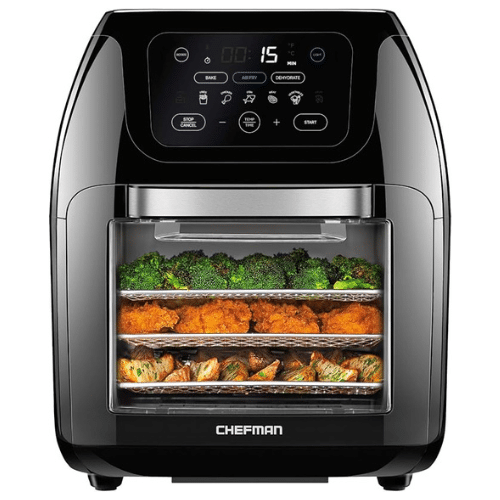
To achieve the perfect consistency, a high-quality food processor is the most important tool in your arsenal. It allows you to break down the tough skins of the dates and the hard structure of the nuts into a uniform paste. A standard blender can sometimes struggle with the stickiness of the dates, whereas the wide bowl and sharp S-blade of a food processor are designed for exactly this type of high performance task.
When using the processor, it is best to pulse the ingredients rather than letting the machine run continuously. This gives you more control over the texture, allowing you to stop when the mixture is sticky enough to hold together but still has some visible bits of nut for crunch. Pulsing also prevents the motor from overheating, ensuring your kitchen appliances remain long-term value assets in your home.
Importance of Accurate Measuring Cups
While no-bake recipes are forgiving, using accurate measuring cups is still important for maintaining the right balance of wet and dry ingredients. If you have too many dates, the balls will be overly sticky and difficult to roll; too many nuts, and they will crumble. Standard U.S. measuring cups for dry ingredients are usually sufficient to get the ratios correct for a consistent batch every time.
Carmen Maria Márquez often suggests measuring the dates after they have been pitted and packed slightly into the cup. This ensures you are getting a true volume measurement. Consistency is key if you plan to share these treats with others or if you want to track your nutritional intake accurately. Having a set of reliable stainless steel or heavy-duty plastic measuring cups is a wholesome pantry staple for any serious home cook.
Utility of Spatulas and Prep Trays
A flexible silicone spatula is incredibly helpful for scraping down the sides of the food processor bowl. The date mixture is naturally very tacky, and a good spatula ensures that every bit of the premium variety ingredients is incorporated into the final balls. This minimizes waste and makes the cleanup process much easier once you are finished blending.
Additionally, having a parchment-lined prep tray or cookie sheet ready is essential for the rolling process. As you shape each ball and roll it in coconut, placing it on a tray prevents them from sticking to the counter or to each other. Once the tray is full, you can easily slide it into the refrigerator to allow the balls to firm up. This organized approach is a hallmark of meal-prep efficiency and makes the entire experience more enjoyable.
Customizing Coconut Date Balls with Variations
Substituting Almonds with Walnuts or Cashews
One of the best things about this recipe is how easily it adapts to what you have in your pantry. If you don’t have almonds, walnuts make an excellent substitute, providing a softer crunch and a boost of brain-healthy omega-3s. Cashews are another popular choice; they offer a creamy, buttery flavor that pairs beautifully with the sweetness of the dates, creating a more decadent, truffle-like experience.
When substituting nuts, keep in mind that different varieties have different oil contents. Walnuts are oilier and softer, so they might break down faster in the food processor. Cashews are quite firm but blend into a very smooth paste if processed long enough. Experimenting with different nut combinations is a strategic opportunity to discover your own “signature” version of this classic snack.
Swapping Coconut for Cocoa Powder Coatings
For the chocolate lovers, swapping the unsweetened shredded coconut for a dusting of high-quality cocoa powder transforms these balls into a healthy version of a chocolate truffle. The bitterness of the cocoa provides a sophisticated contrast to the sweet date center. You can even add a tablespoon of cocoa powder directly into the mixture during blending for a double-chocolate hit.
Other coating options include crushed freeze-dried raspberries for a tart, pink finish, or hemp hearts for an earthy, nutrient-dense exterior. These variations allow you to tailor the appearance of your treats for specific occasions, such as holidays or parties. Providing a variety of coatings on a single platter creates a beautiful artisan presentation that is sure to impress your guests.
Warm Flavor Alternatives Using Cinnamon
If you prefer warm, spiced flavors, adding a teaspoon of ground cinnamon to the mixture can change the entire character of the snack. Cinnamon pairs perfectly with the caramel notes of the dates and can make the balls taste like a healthy version of an oatmeal cookie or a cinnamon roll. You could also experiment with pumpkin pie spice or a touch of nutmeg during the autumn months.
These spices not only add flavor but also come with their own health benefits, such as helping to regulate blood sugar. Adding spices is a low-calorie way to enhance the premium value of your homemade snacks without needing to add extra sweeteners or fats. It’s a simple tweak that can make a standard recipe feel brand new every time you make it.
The Role of Medjool Dates and Shredded Coconut
Binding Properties of Medjool Varieties
The success of a no-bake energy ball relies almost entirely on its binder, and Medjool dates are unsurpassed in this role. Their unique fiber structure and moisture levels create a natural “dough” when processed. This allows the mixture to hold onto dry ingredients like nuts and seeds without the need for syrups, oils, or eggs. This natural binding ability is what makes the recipe so clean and straightforward.
If you find that your mixture is not coming together into a ball, it usually means the dates weren’t moist enough. Adding a teaspoon of water or a tiny bit of coconut oil can help, but starting with fresh Medjool dates is the best way to ensure success. Their ability to act as both the sweetener and the structural foundation is what makes them such a strategic opportunity for healthy snack creation.
Flavor Contrast Provided by Unsweetened Coconut
While the dates provide the deep, rich sweetness, the unsweetened shredded coconut offers a light, tropical flavor that prevents the snack from feeling too heavy. The coconut provides a clean finish on the palate, cutting through the richness of the nuts and the intensity of the fruit. This balance is why the combination of coconut and dates has remained a culinary favorite for so long.
Using unsweetened coconut is vital for maintaining the health profile of the snack. Many shredded coconuts found in the baking aisle are heavily sweetened with sugar, which can make the balls cloying. By choosing the unsweetened version, you maintain control over the sugar content and allow the natural flavors of the fresh coconut and dates to be the stars of the show.
Achieving a Fudgy Consistency Through Proper Ratios
The “fudgy” texture that people love in date balls is a result of the correct ratio between the dates and the dry ingredients. Typically, a 1:1 ratio by volume of pitted dates to nuts will result in a firm but chewy ball. If you want a softer, more “melt-in-your-mouth” texture, you can increase the proportion of dates slightly. Conversely, for a heartier, more granola-like bite, increase the amount of nuts or add some rolled oats.
Getting these ratios right is a matter of practice and personal taste. At homemademenus.com, we suggest starting with a standard recipe and then adjusting the texture during the final stages of blending. If the mixture feels too wet to roll, pulse in a handful more nuts. This level of customization ensures that every batch you make meets your specific standards for high performance snacking.
Step-by-Step Preparation Methods
Blending Dates and Nuts into a Sticky Base
The first step in creating your coconut date balls is to process the nuts until they reach a coarse, crumbly consistency. Avoid turning them into nut butter; you want small pieces for texture. Once the nuts are ready, remove them from the bowl and add the pitted Medjool dates. Process the dates until they form a large, sticky ball that rotates around the blade. This ensures the dates are fully broken down and ready to act as a binder.
After the dates are processed, add the nuts back in, along with your high-quality vanilla extract, salt, and any other add-ins like chia seeds. Pulse the mixture several times until everything is evenly distributed. You are looking for a “dough” that sticks together when you pinch it between your fingers. If it crumbles, keep pulsing or add another date to increase the moisture levels.
Shaping the Mixture into Uniform Spheres
Once your mixture is ready, it’s time to roll. To ensure uniform sizes, you can use a small cookie scoop or a tablespoon to portion out the dough. Roll each portion between your palms until it forms a smooth, round sphere. If the mixture is sticking to your hands too much, lightly dampening your palms with water can make the process much easier and cleaner.
Standard date balls are usually about one inch in diameter, which is roughly the size of a walnut. This size is perfect for a single-serving snack and allows the balls to chill and set quickly. Taking the time to make them uniform not only looks better but also ensures that the nutritional information per ball remains consistent, which is helpful for those tracking their macros.
Applying the Final Coconut Coating
The final step is to roll the formed spheres in a bowl of unsweetened shredded coconut. Gently press the coconut onto the surface of the balls to ensure it sticks well. You can give them a second roll between your palms after the coconut is applied to really “seat” the flakes into the sticky date mixture. This creates a durable coating that won’t flake off easily during storage.
Once coated, place the balls on your prepared tray. While they can be eaten immediately, they are much better after they have had a chance to firm up in the refrigerator for at least 30 minutes. This chilling period allows the flavors to meld and the texture to transition from soft and sticky to firm and fudgy, providing a premium value eating experience.
Nutritional Profile and Serving Sizes
Understanding Caloric Content per Serving
While coconut date balls are made from healthy, whole ingredients, they are energy-dense. A single ball typically contains between 70 and 100 calories, depending on the size and the type of nuts used. Most of these calories come from the natural sugars in the dates and the healthy monounsaturated fats in the raw almonds. Understanding this caloric density is important for those who are mindful of their daily energy intake.
The benefit of these calories is that they are “high-quality.” Unlike the empty calories found in processed candy, these provide fiber, potassium, magnesium, and vitamin B6. Because they are so satisfying, most people find that one or two balls are plenty to curb a craving or provide an energy boost, making them an exclusive option for smart snacking.
Standard Yield for a Typical Batch
A standard recipe using about one cup of dates and one cup of nuts will usually yield between 12 and 16 balls. This is a perfect amount for a single person to enjoy throughout the week or for a small family to share over a few days. If you are preparing for a larger gathering or want to stock your freezer, the recipe can easily be doubled or tripled, provided your food processor has the capacity.
Planning your yield is a key part of meal-prep efficiency. Knowing exactly how many snacks you have on hand for the week allows you to plan your other meals more effectively. Many users of homemademenus.com find that making a double batch on Sunday afternoon is a smart investment that saves them from making poor snack choices during the hectic work week.
Balancing Nutrients in a Single Bite
The combination of ingredients in a coconut date ball provides a balanced nutritional profile. The dates offer quick-release carbohydrates for immediate energy, while the fiber in both the dates and the coconut slows digestion. The protein and fats from the nuts provide satiety, ensuring you feel full for longer. This balance is what makes these treats so much more effective than sugary alternatives.
For those looking to boost the protein content even further, a scoop of unflavored or vanilla protein powder can be added to the mixture. This makes the balls an even more effective post-workout snack. Regardless of the specific additions, the core recipe remains a powerhouse of wholesome pantry staples that support a healthy and active lifestyle.
Storing and Preserving Coconut Date Balls
Refrigeration Standards for Short-Term Use
To maintain the best texture and flavor, coconut date balls should be stored in the refrigerator in an airtight container. While they are shelf-stable for a day or two due to the low moisture content of the ingredients, the refrigerator keeps them firm and prevents the natural oils in the nuts from becoming rancid. They will typically stay fresh for up to two weeks when chilled.
Storing them in a single layer or with parchment paper between layers prevents them from sticking together. This is especially important if you live in a humid climate where the coconut coating might absorb moisture from the air. Keeping a container of these in the fridge is a great way to ensure you always have a high performance snack ready when hunger strikes.
Freezer Compatibility for Long-Term Storage
If you want to keep your coconut date balls for longer than two weeks, the freezer is an excellent option. They freeze remarkably well and can last for up to three months without losing quality. Because of their high sugar and fat content, they don’t freeze into a solid block of ice; instead, they remain slightly chewy even when frozen, making them a refreshing cold treat on a hot day.
To freeze, place the balls on a tray in the freezer for an hour until they are firm, then transfer them to a freezer-safe bag or container. This “flash freezing” method ensures they don’t stick together in a giant clump. You can pull out one or two balls at a time as needed, and they will thaw to room temperature in just a few minutes. This is a strategic opportunity for long-term meal planning.
Optimal Temperatures for Serving
While some people enjoy them straight from the freezer, most prefer coconut date balls served slightly chilled or at room temperature. At room temperature, the date paste is softer and the flavors are more pronounced. If you are serving them at a party, taking them out of the fridge about 15 minutes before your guests arrive is the perfect timing.
If the balls have been in the fridge for a while, they might feel quite firm. Leaving them on the counter for a few minutes allows the fats in the nuts and the sugars in the dates to soften slightly, giving you that classic “fudgy” texture. Understanding these temperature nuances ensures that you provide a premium value experience every time you share your homemade treats.
Serving Suggestions for Social Gatherings
Pairing with Coffee and Herbal Teas
Coconut date balls are a natural companion to hot beverages. The rich, caramel sweetness of the dates perfectly complements the bitterness of a dark roast coffee or the earthy notes of an espresso. In many Mediterranean and Middle Eastern cultures, this pairing is a fundamental part of daily social life. It’s a simple yet exclusive option for entertaining guests without the need for elaborate baking.
If you prefer tea, try pairing the balls with a spicy chai or a cooling peppermint tea. The coconut and vanilla notes in the balls harmonize beautifully with herbal infusions. Serving a small plate of these treats alongside a selection of teas is a thoughtful and healthy way to end a dinner party or to host a mid-afternoon gathering with friends.
Including Treats on Brunch or Dessert Boards
The “charcuterie board” trend has expanded into brunch and dessert boards, and coconut date balls are a perfect fit for this artisan presentation. Their uniform shape and white coating make them a visually appealing anchor for a board filled with fresh berries, sliced apples, and chunks of dark chocolate. They add a different texture and flavor profile that complements both fruit and cheese.
When building a board, place the balls in small clusters or in decorative bowls to keep them separate from juicier fruits. Their durability means they can sit out for the duration of a brunch without melting or losing their shape. This makes them a high performance choice for hosts who want to prepare as much as possible in advance.
Enhancing Presentation with Mini Paper Cups
For a truly professional look, place each individual ball into a mini paper cupcake liner or truffle cup. This small touch instantly elevates the snack into a gourmet confection. It also makes them easier for guests to pick up and eat without getting their hands sticky. This is especially useful for larger parties or corporate events where artisan presentation is a priority.
You can choose paper liners that match the theme of your event—gold or silver for a holiday party, or bright colors for a birthday celebration. This attention to detail shows that you value the quality of the food you serve and provides a premium value feel to even the simplest of snacks. It’s a low-cost way to make your homemade creations look like they came from a high-end bakery.
Creative Uses for Leftover Portions
Garnishing Oatmeal and Breakfast Bowls
If you have a few balls left over that are starting to get a bit dry, or if you simply want to switch things up, try crumbling them over a hot bowl of oatmeal or a cold smoothie bowl. The date mixture acts as a natural sweetener and “granola” replacement, adding bursts of flavor and crunch to your breakfast. It’s a great way to use every last bit of your wholesome pantry staples.
The coconut and nut pieces will soften slightly in the warmth of the oatmeal, releasing their aromas and creating a delicious, multi-textured meal. This is a much healthier alternative to using brown sugar or sugary cereal toppings. It turns a standard breakfast into a sophisticated solution for morning hunger.
Blending into Morning Smoothies
Another excellent use for extra date balls is to toss one or two directly into your blender when making a smoothie. They will break down completely, providing sweetness, healthy fats, and a thicker consistency to your drink. A coconut date ball blends particularly well with banana, almond milk, and a scoop of cocoa powder for a “chocolate-covered-date” flavored smoothie.
This is a fast and efficient way to add nutritional density to your liquid meals. Instead of measuring out individual portions of dates, nuts, and coconut, you are using a pre-made “flavor bomb.” This is a perfect example of how meal-prep efficiency can extend beyond the snacks themselves and into other areas of your daily diet.
Using Crumbled Bites as Yogurt Toppings
For a quick and healthy dessert or a high-protein snack, crumble a coconut date ball over a serving of plain Greek yogurt. The tartness of the yogurt contrasts beautifully with the sweetness of the dates. The raw almonds inside provide a much-needed crunch that makes the yogurt feel more substantial and satisfying.
You can even layer the crumbles with yogurt and fresh fruit in a glass to create a healthy parfait. This is a strategic opportunity to create a kid-friendly snack that feels like a treat but is packed with calcium, probiotics, and fiber. It’s a versatile way to enjoy the flavors of the coconut date balls in a completely different format.
Professional Tips for Texture and Presentation
Techniques for Rolling Without Stickiness
The most common frustration when making date-based snacks is the mixture sticking to your hands. To solve this, professional chefs often keep a small bowl of water or a tiny bit of coconut oil nearby. Lightly coating your palms before you start rolling creates a barrier that allows the mixture to slide smoothly into a sphere. This technique ensures your balls have a smooth surface and helps the coconut coating adhere more evenly.
Another tip is to chill the mixture in the food processor bowl for about 10 minutes before you start rolling. Cold dough is much easier to handle than room-temperature dough. By managing the temperature and moisture of your hands, you can speed up the process and achieve a much cleaner, more artisan presentation for your final product.
Importance of Tasting the Mixture Before Shaping
Before you commit to rolling the entire batch, always take a small pinch of the mixture and taste it. This is your chance to adjust the seasoning. Does it need another pinch of salt to make the chocolate or date flavors pop? Would a little more vanilla enhance the aroma? Once the balls are rolled and coated in coconut, it’s much harder to change the flavor profile.
Tasting as you go is a hallmark of a skilled cook. It ensures that every batch you produce at homemademenus.com meets your high standards for quality and flavor. This simple step prevents the disappointment of a bland batch and ensures you are providing premium value to anyone who gets to enjoy your treats.
Arranging Bites for Visual Impact
When presenting your coconut date balls, think about color and negative space. If you are serving them on a white platter, the white coconut coating might blend in. Consider using a dark slate board or a wooden tray to make the snowy white spheres stand out. Arranging them in a pyramid or a neat grid creates a sense of order and professional quality.
You can also garnish the platter with a few whole dates or some whole almonds to show your guests what’s inside. A few sprigs of fresh mint can add a pop of green that makes the whole display look fresh and inviting. These small efforts in artisan presentation turn a simple snack into a focal point of your table, showcasing your commitment to high performance hosting.
Common Questions About Preparing Coconut Date Balls
Managing Ingredients Without a Food Processor
While a food processor is the most efficient tool, you can still make these treats without one. It just requires a bit more “elbow grease.” You will need to finely chop the nuts by hand or use a mortar and pestle to crush them. For the dates, you can mash them with a heavy fork or a potato masher until they form a consistent paste. It will take longer and the texture will be more rustic, but the flavor will be just as good.
If your dates are particularly firm, you can also grate them using a box grater, though this can be a bit messy. The key is to get the dates as smooth as possible so they can effectively bind the other ingredients. This “low-tech” approach is a great way to stay connected to the traditional recipes that inspired these modern snacks, even if you don’t have a kitchen full of gadgets.
Handling Drier Varieties of Dates
If you cannot find Medjool dates and are using a drier variety like Deglet Noor, you will definitely need to rehydrate them. Soak the pitted dates in very hot water for 10 to 15 minutes, then drain them thoroughly before processing. You may also need to add a tablespoon of almond butter or coconut oil to the mixture to provide the fat and moisture that Medjools naturally have.
Dry dates are often cheaper, so learning how to work with them can be a smart investment for your grocery budget. Just be careful not to add too much water, or the mixture will become a “mush” rather than a “dough.” It’s better to start with less moisture and add a few drops at a time until you reach the perfect sticky consistency.
Involving Children in the Rolling Process
Making coconut date balls is a wonderful activity to do with children. Since there is no heat or sharp knives involved in the rolling stage, kids can safely help shape the balls and roll them in the coconut. It’s a tactile, “hands-on” way to teach them about healthy ingredients and where their snacks come from. Many parents find that children are more likely to try healthy foods if they have had a hand in making them.
You can set up a “station” for them with the mixture and a bowl of coconut. It might get a little messy, but it’s a fun way to spend time together while accomplishing your meal-prep efficiency goals for the week. Plus, the balls are naturally sweet enough that they are usually an immediate hit with younger palates, making them a staple in many health-conscious American homes.
