
Discover how to create a restaurant-quality crispy parmesan chicken at home, featuring a golden breaded crust and a rich, velvety garlic cream sauce that elevates simple ingredients into a luxurious family dinner.
The culinary experts at homemademenus.com, including contributor Carmen Maria Márquez, understand that the perfect weeknight meal must balance sophisticated flavors with practical preparation. This dish captures the essence of classic comfort food while maintaining an elegant profile suitable for any occasion.
By focusing on specific techniques and high-quality staples, you can master a dish that rivals professional kitchens. Continue reading to explore the history, essential tools, and step-by-step nuances required to achieve the ultimate balance of crunch and creaminess.
Origins of Crispy Parmesan Chicken
Italian-American Culinary Influence
The roots of this dish are firmly planted in Italian-American cuisine, a style of cooking that emerged from immigrants adapting traditional recipes to the abundant ingredients available in the United States. While authentic Italian cooking often emphasizes simplicity and light sauces, the American evolution embraced heartier portions and richer, more indulgent components.
As families looked for ways to make meals feel more substantial, the addition of heavy creams and generous amounts of cheese became a hallmark of this culinary fusion. At homemademenus.com, we see this recipe as a celebration of that heritage, blending the old-world love for poultry with the new-world desire for luxury and texture.
Evolution of Cream-Based Garlic Sauces
Garlic has long been a staple of Mediterranean cooking, but its marriage with heavy cream to form a thick, coating sauce is a relatively modern development in the home kitchen. Early iterations often relied on simple butter and garlic, but as French techniques influenced American home cooks, the use of a roux or heavy cream reduction became more common to add a premium value to the meal.
This evolution allowed for a more consistent flavor profile where the sharp bite of raw garlic is transformed into a mellow, aromatic sweetness. Today, these sauces are considered a sophisticated solution for bringing moisture and depth to breaded meats, ensuring every bite is infused with savory notes.
Popularity of Parmesan Breaded Poultry
Breaded chicken has a universal appeal, but the addition of freshly grated parmesan cheese into the breading mixture was a game-changer for home chefs. It provides a natural saltiness and a unique umami kick that standard breadcrumbs lack, creating a high performance crust that browns beautifully under heat.
The popularity of this specific preparation soared because it offers a restaurant-style presentation that is deceptively easy to achieve. Whether it is served in a high-end bistro or a suburban dining room, the combination of cheese and poultry remains one of the most beloved flavor pairings in the American repertoire.
Benefits of Preparing This Recipe
Budget-Friendly Pantry Staples
One of the greatest advantages of this recipe is that it relies on items many people already have in their kitchens. By using boneless skinless chicken cutlets, flour, eggs, and breadcrumbs, you are maximizing long-term value without needing an expensive grocery list. Even the sauce uses basic ingredients like butter and broth to create a high-end result.
Choosing to cook this at home is a smart investment in both your health and your wallet. You can control the quality of the fats and the amount of sodium, ensuring a high quality meal that costs a fraction of what a similar plate would cost at a local Italian eatery.
Efficiency for Busy Weeknights
In today’s fast-paced environment, finding a meal that feels special but takes less than forty minutes is a major win. This recipe is designed for high performance in the kitchen, allowing you to sear the chicken and simmer the sauce in a single heavy-duty skillet for even heat distribution. This minimizes cleanup and streamlines the cooking process.
For those managing a tight schedule, the simplicity of the steps ensures you aren’t tethered to the stove for hours. The efficiency of the breading and frying technique makes it a strategic opportunity to serve a hot, homemade meal even on the busiest Tuesday nights.
Adaptability for Different Dietary Preferences
While the classic version is indulgent, this dish offers incredible flexibility for various lifestyles. Those looking for a smart investment in their health can easily swap traditional breadcrumbs for almond flour or gluten-free alternatives. The sauce can also be modified to fit different caloric needs without sacrificing the core appeal of the dish.
This adaptability makes it an exclusive option for households with mixed dietary requirements. Whether you are leaning into the full heavy cream for rich texture or opting for a lighter substitute, the fundamental techniques shared on homemademenus.com ensure the chicken remains the star of the show.
Kitchen Tools for Success
Heavy Skillets for Even Browning
To achieve a high quality golden crust, the type of pan you use matters significantly. A heavy-duty skillet for even heat distribution, such as cast iron or heavy stainless steel, prevents hot spots that can burn the delicate freshly grated parmesan cheese before the chicken is cooked through.
Using the right skillet is a strategic opportunity to ensure that every cutlet has the same level of crispness. A thick base retains heat better when the cold meat is added, which is essential for maintaining the high performance searing temperature needed for that perfect crunch.
Breading Station Organization
Efficiency in the kitchen starts with a well-organized workspace. Setting up a three-part breading station—flour, beaten eggs, and the panko breadcrumbs for superior crunch mixture—prevents a mess and ensures a high quality coating. This systematic approach is a sophisticated solution for home cooks who want to avoid “club hand” while breading.
By keeping your dry and wet hands separate, you maintain the integrity of the ingredients and ensure that the coating stays on the chicken rather than sticking to your fingers. This level of organization is a hallmark of a premium value cooking experience that makes the process enjoyable rather than stressful.
Utensils for Handling and Mixing
Using the correct utensils, such as silicone-tipped tongs, protects the breading from being torn during the flipping process. Additionally, a whisk is vital for properly emulsifying with heavy cream when you transition from searing the meat to building the sauce. These tools represent a smart investment in your kitchen’s overall functionality.
Finally, never underestimate the importance of a meat thermometer for precision cooking. Ensuring the chicken reaches an internal temperature of 165 degrees Fahrenheit is the only way to guarantee a high performance result that is both safe to eat and perfectly juicy.

Disclosure: This post contains affiliate links.If you click and make a purchase, I may earn a small commission at no extra cost to you.
Primary Ingredients in Crispy Parmesan Chicken
Role of Freshly Grated Parmesan Cheese
Using freshly grated parmesan cheese is perhaps the most critical factor in the flavor profile of this dish. Pre-shredded varieties often contain anti-caking agents that prevent the cheese from melting and bonding correctly with the breadcrumbs. By grating your own, you ensure a premium materials quality that results in a more cohesive and flavorful crust.
The cheese provides a salty, nutty depth that acts as a seasoning for the poultry itself. This umami-rich ingredient is a high quality addition that sets this recipe apart from standard fried chicken, offering a sophisticated solution for those seeking more complex flavors in their home cooking.
Impact of Mincing Fresh Garlic
While garlic powder has its place, freshly minced garlic cloves provide a pungent, aromatic foundation that simply cannot be replicated. When these cloves hit the warm butter in the skillet, they release essential oils that permeate the heavy cream for rich texture, creating a sauce with incredible depth.
At homemademenus.com, we recommend using a microplane or a sharp knife to achieve a fine mince. This ensures that the garlic distributes evenly throughout the sauce, providing a high performance flavor experience without any large, bitter chunks of garlic in a single bite.
Selecting Quality Chicken Cutlets
The foundation of the dish is boneless skinless chicken cutlets. Selecting high quality meat that is fresh and properly trimmed is a smart investment in the final outcome. Cutlets are preferred over thick breasts because they cook quickly and evenly, ensuring the breading doesn’t burn before the center is done.
If you cannot find pre-sliced cutlets, you can create your own by slicing a standard breast in half horizontally. This technique provides long-term value by allowing you to buy in bulk and prepare the meat yourself, ensuring every piece meets your standards for thickness and texture.
Ingredient Substitutions and Variations
Alternative Breading Options
While panko breadcrumbs for superior crunch are the standard for high performance texture, there are several exclusive options for those with different needs. Crushed crackers, cornflakes, or even crushed pork rinds can provide a unique twist on the traditional crust while maintaining that essential crunch.
For a gluten-free sophisticated solution, almond meal mixed with freshly grated parmesan cheese creates a delicious, low-carb alternative. Experimenting with different breading bases is a strategic opportunity to customize the dish to your family’s specific palate and dietary goals.
Lighter Dairy Substitutes
If you find heavy cream for rich texture too indulgent for a regular weeknight, there are ways to lighten the sauce without losing the spirit of the dish. Using whole milk thickened with a bit of cornstarch, or even a high-quality unsweetened coconut milk, can serve as a high quality replacement.
Half-and-half is another smart investment for those seeking a middle ground between decadence and dietary mindfulness. While the sauce may be slightly thinner, it will still carry the aromatics of the freshly minced garlic cloves and herbs beautifully, providing a premium value taste with fewer calories.
Broth and Herb Variations
The liquid base of the sauce offers another strategic opportunity for customization. While chicken broth is the standard, using a splash of dry white wine can add a sophisticated solution of acidity that cuts through the richness of the cream. This adds a layer of complexity often found in restaurant-style presentation.
Swapping fresh parsley and basil garnishes for thyme or rosemary can also completely change the profile of the dish. These premium materials from your herb garden or local market allow you to adapt the recipe to the season, making it a versatile staple on homemademenus.com.
Texture and Flavor Profile of the Dish
Balance of Savory and Salty Notes
The success of this recipe relies on a delicate balance of flavors. The freshly grated parmesan cheese provides a natural saltiness that is complemented by the savory depth of the chicken. When combined with the freshly minced garlic cloves, the result is a high performance taste profile that hits multiple palate points simultaneously.
Achieving this balance is a smart investment in culinary technique. By properly seasoning each layer—the meat, the breading, and the sauce—you create a high quality dish where no single ingredient overwhelms the others, resulting in a premium value dining experience.
Contrast Between Crunch and Silkiness
Texture is just as important as flavor in this dish. The panko breadcrumbs for superior crunch provide a sharp, crisp exterior that stands up to the heavy cream for rich texture of the sauce. This contrast is what makes the meal feel like a restaurant-style presentation at home.
Maintaining this contrast requires precision. Serving the sauce over the chicken just before eating, rather than letting it sit and soak, is a sophisticated solution to keep the breading from becoming soggy. This attention to detail ensures a high performance mouthfeel in every bite.
Mellowing Garlic Through Simmering
Raw garlic can be overpowering, but the technique of simmering it in butter and cream transforms it into a high quality aromatic. This mellowing process is essential for creating a sauce that is flavorful without being pungent. It is a strategic opportunity to develop “hidden” layers of flavor that linger pleasantly.
As the garlic cooks, its sugars caramelize slightly, adding a premium value sweetness to the savory cream. This transformation is a key reason why the recipes at homemademenus.com focus on the timing of ingredient additions to maximize long-term value of the flavor profile.
Techniques for Crispy Parmesan Chicken Coating
Achieving Even Thickness with a Mallet
To ensure high performance cooking, the chicken must be of uniform thickness. Using a meat mallet to gently pound the boneless skinless chicken cutlets is a smart investment of time. This prevents the edges from drying out while the center reaches the safe internal temperature.
Uniformity also ensures that the breading adheres evenly. When the surface is flat and consistent, you get a high quality sear across the entire piece of meat. This simple step is a sophisticated solution for avoiding the common pitfall of unevenly cooked poultry.
Maintaining the Integrity of the Crust
A common frustration for home cooks is the breading falling off in the pan. To prevent this, after coating the chicken in freshly grated parmesan cheese and breadcrumbs, let it rest for a few minutes before frying. This allows the moisture to hydrate the starches, creating a premium value bond between the meat and the crust.
Additionally, avoid overcrowding the skillet. Giving each cutlet enough space is a strategic opportunity to ensure steam can escape, which keeps the coating crisp rather than soggy. This high performance technique is what separates amateur cooking from a restaurant-style presentation.
Proper Searing Temperatures
The temperature of your oil is critical. If it’s too cold, the breading will absorb the fat and become greasy; if it’s too hot, the freshly grated parmesan cheese will burn before the chicken is done. Using a heavy-duty skillet for even heat distribution helps maintain the high quality medium-high heat required for a perfect sear.
A good trick is to drop a single breadcrumb into the oil; if it sizzles immediately, you are ready to go. This smart investment in patience ensures a premium value golden-brown finish that looks and tastes professional, a tip often shared by Carmen Maria Márquez on homemademenus.com.
Creating the Creamy Garlic Sauce
Building Depth with Butter and Broth
The foundation of a high quality sauce begins with deglazing the pan. After removing the chicken, use butter to pick up the browned bits (fond) left behind. Adding chicken broth at this stage is a strategic opportunity to incorporate all that concentrated flavor back into the sauce, providing long-term value to the dish’s taste.
The broth acts as a savory bridge between the fat of the butter and the heavy cream for rich texture. This layering of liquids is a sophisticated solution for building a complex sauce that doesn’t feel one-dimensional or overly heavy.
Emulsifying with Heavy Cream
Once the broth has reduced slightly, whisking in the heavy cream for rich texture creates a smooth, high performance emulsion. It is important to keep the heat at a gentle simmer rather than a rolling boil to prevent the dairy from curdling. This careful temperature control is a smart investment in the sauce’s final silkiness.
As the cream reduces, it thickens naturally without the need for excessive flour or thickeners. This results in a premium value sauce that coats the back of a spoon perfectly, providing a restaurant-style presentation that feels truly indulgent.
Incorporating Fresh Herbs for Balance
The final touch for any high quality cream sauce is the addition of brightness. Stirring in fresh parsley and basil garnishes at the very end preserves their color and essential oils. This is a strategic opportunity to cut through the richness of the cream with herbal notes.
Herbs are premium materials that add visual appeal and a fresh aroma to the plate. At homemademenus.com, we believe these finishing touches are what transform a simple meal into a sophisticated solution for family dining.
Serving Suggestions for Creamy Garlic Chicken
Pairing with Starches Like Pasta or Potatoes
To make the most of the heavy cream for rich texture, serve the chicken over a bed of pasta, such as fettuccine or linguine. The noodles act as a high performance vehicle for the garlic sauce, ensuring none of that high quality flavor goes to waste. Alternatively, mashed potatoes offer a premium value comfort food pairing.
Selecting the right starch is a smart investment in the overall meal satisfaction. Whether you choose the elegance of pasta or the heartiness of roasted potatoes, the starch should complement the restaurant-style presentation of the chicken cutlets.
Fresh Vegetable Side Options
Because the main dish is quite rich, pairing it with vibrant, crisp vegetables is a sophisticated solution for a balanced plate. Steamed asparagus, sautéed spinach, or a crisp arugula salad with a lemon vinaigrette provides a high quality contrast to the creamy sauce.
Adding greens to the plate is a strategic opportunity to introduce different colors and textures. This not only improves the nutritional profile but also enhances the premium value of the meal’s visual appeal, a technique frequently discussed at homemademenus.com.
Bread Selections for Dipping
No restaurant-style presentation is complete without a way to soak up the remaining sauce. A crusty baguette or warm garlic bread is a smart investment for those who want to enjoy every last drop of the garlic cream. This simple addition adds long-term value to the dining experience by making it feel more like a full-course feast.
Using high quality bread also provides a different type of crunch that complements the panko breadcrumbs for superior crunch on the chicken. It’s an exclusive option for those who truly love the flavor of freshly minced garlic cloves and cream.
Meal Preparation and Storage Tips
Breading Chicken in Advance
For those looking for a strategic opportunity to save time on busy nights, you can bread the chicken a few hours in advance. Place the coated boneless skinless chicken cutlets on a baking sheet lined with parchment paper and refrigerate them. This actually helps the breading stick better, providing a high performance result when it’s time to cook.
Just be sure not to stack the chicken, as this can lead to sogginess. This sophisticated solution allows you to handle the messy part of the preparation early, leaving only the quick searing and sauce-making for dinnertime at homemademenus.com.
Refrigeration and Shelf Life
Leftover crispy parmesan chicken can be stored in an airtight container in the refrigerator for up to three days. To maintain high quality, it is best to store the sauce and the chicken in separate containers if possible. This prevents the panko breadcrumbs for superior crunch from absorbing all the moisture of the sauce while sitting.
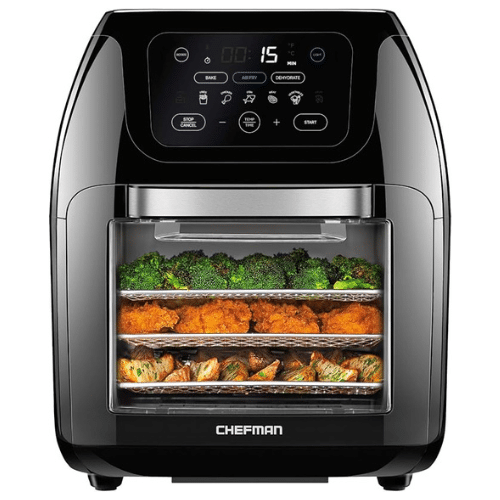
When you are ready to eat, reheating the chicken in an air fryer or oven is a smart investment in texture. Avoiding the microwave ensures that the crust remains high performance and doesn’t become rubbery, preserving the premium value of the original meal.
Freezing and Thawing Procedures
If you want to prepare for future weeks, the breaded (but uncooked) cutlets can be frozen for up to a month. This is a long-term value strategy for meal planning. Flash-freeze them on a tray first before transferring them to a freezer bag to prevent sticking, ensuring high quality results later.
To cook from frozen, it is best to let them thaw in the refrigerator overnight. This maintains the high performance of the meat and ensures the freshly grated parmesan cheese doesn’t lose its flavor during the thawing process. This sophisticated solution makes high-end dinners accessible any night of the week.
Repurposing Leftovers for Future Meals
Sandwiches and Wraps
Leftover cutlets make for a high quality sandwich the next day. Slice the chicken and place it on a toasted ciabatta roll with a little extra sauce or a spread of pesto. This is a smart investment of your leftovers, creating a premium value lunch that is far better than standard deli meat.
Adding some fresh greens and a slice of provolone cheese creates a restaurant-style presentation in sandwich form. It’s a strategic opportunity to use the high performance flavors of the original dish in a completely new and convenient way.
Tossed Pasta Applications
If you have extra sauce but no chicken, or vice versa, tossing them with fresh pasta is a sophisticated solution. Simply chop the chicken into bite-sized pieces and fold it into the warmed garlic cream sauce with your favorite noodle. This creates a high quality meal with minimal effort.
You can even add extra freshly grated parmesan cheese on top to refresh the flavors. This versatility is why the recipes on homemademenus.com are so popular; they offer long-term value that extends well beyond the first serving.
Rice Bowls and Salads
For a lighter second act, slice the cold crispy chicken over a large garden salad. The panko breadcrumbs for superior crunch act almost like croutons, adding texture to the greens. This is a high quality way to enjoy the remnants of a premium value dinner without feeling weighed down.
Alternatively, placing the chicken over a bowl of steamed rice with some stir-fried vegetables provides a strategic opportunity to shift the flavor profile toward a different cuisine while still utilizing the high performance protein you’ve already prepared.
Presentation and Plating Techniques
Strategic Sauce Placement
For a true restaurant-style presentation, consider how you plate the sauce. Instead of drowning the chicken, try “pooling” the sauce on the plate first and placing the crispy cutlet on top. This keeps the top of the chicken dry and maintains the panko breadcrumbs for superior crunch while still providing plenty of creaminess with every forkful.
This sophisticated solution is a simple way to elevate the high quality of the dish. It shows a smart investment in the dining experience, ensuring the textures remain exactly as intended when the meal was first cooked.
Garnishing with Color and Texture
A final sprinkle of fresh parsley and basil garnishes adds a pop of green that makes the golden chicken stand out. You can also add a final dusting of freshly grated parmesan cheese or a crack of black pepper for a high performance visual finish. These premium materials are essential for a professional look.
Garnishing is a strategic opportunity to signal to your guests that the meal is fresh and thoughtfully prepared. At homemademenus.com, we believe that we eat with our eyes first, and these small details add significant long-term value to your home cooking skills.
Selecting Appropriate Serving Dishes
Using wide, shallow bowls or large white plates allows the components of the dish to shine. A white background makes the colors of the freshly minced garlic cloves and herbs pop, enhancing the premium value of the presentation. This is a smart investment in your home’s “bistro” atmosphere.
Avoid using plates that are too small, which can cause the food to look cluttered and the sauce to run off the edges. A high quality plating choice is a sophisticated solution that makes even a simple Tuesday dinner feel like an exclusive option at a high-end restaurant.
Common Questions About Crispy Parmesan Chicken
Baking Versus Pan-Frying
While pan-frying in a heavy-duty skillet for even heat distribution provides the best high performance crunch, baking is a sophisticated solution for those looking to reduce oil. To bake, place the breaded chicken on a wire rack over a baking sheet to allow air to circulate, which helps maintain the high quality texture.
However, pan-frying remains the preferred method at homemademenus.com for that authentic restaurant-style presentation. The direct heat of the oil creates a premium value sear that baking simply can’t match in terms of flavor and color.
Internal Temperature Requirements
Safety is the most important part of any high quality recipe. Using a meat thermometer for precision cooking is the only way to be certain your chicken has reached 165 degrees Fahrenheit. This is a smart investment in your family’s health and ensures the meat is neither undercooked nor over-dried.
Check the temperature in the thickest part of the cutlet. Because cutlets are thin, they cook quickly, so monitoring them closely is a strategic opportunity to pull them off the heat at the exact moment they achieve high performance juiciness.
Sauce Consistency Troubleshooting
If your sauce is too thin, continue to simmer it on low heat; the heavy cream for rich texture will naturally thicken as water evaporates. If it’s too thick, simply whisk in a tablespoon of broth or water until it reaches the desired high quality consistency. This is a sophisticated solution for any kitchen mishaps.
Always remember to taste and adjust the seasoning after the sauce has thickened. This final check is a premium value step that ensures the freshly minced garlic cloves and Parmesan cheese are perfectly balanced before serving your masterpiece from homemademenus.com.
