
Soft, chewy crescent dough with a crisp golden finish and a savory ham and cheese center is exactly what makes CHICKEN CORDON BLEU CRESCENT RING RECIPE so hard to stop eating. This method simplifies a gourmet classic into an easy handheld meal. From homemademenus.com
Chef Carmen Maria Márquez often recommends this recipe for busy weeknights because it yields several servings with minimal effort. I like to serve it alongside a fresh green salad for a balanced family dinner.
The secret to this impressive dish lies in the circular arrangement of the dough triangles, creating a professional look. Keep reading to learn how to master this simple yet elegant culinary technique.
Principles of a Multidisciplinary Article Outline
Standardizing structural components
Creating a consistent CHICKEN CORDON BLEU CRESCENT RING RECIPE requires standardizing the dough placement for superior quality results. This ensures that every bite offers a perfect ratio of flaky crust to savory filling.
Uniformity in the size of the chicken and ham pieces prevents the ring from becoming lumpy during the baking process. Proper standardization is the key to a professional presentation.
Adapting to diverse content fields
This recipe adapts sophisticated French culinary concepts into a format suitable for casual American dining environments. It bridges the gap between high-end flavors and convenient home cooking.
Using Crescent roll dough allows for a versatile base that accommodates various savory proteins and melted cheeses. This flexibility makes the dish a staple in diverse household menus.
Logical flow and organization
The logical flow of this recipe begins with the preparation of the proteins before the dough is even unrolled. Organizing your workspace allows for a seamless transition from assembly to baking.
A structured approach ensures that the cheese is layered correctly to act as a binder for the chicken and ham. Proper organization minimizes mess and maximizes flavor distribution.
Requirements for Initial Content Introduction
Primary keyword placement rules
Integrating the primary keyword early in the text helps set the stage for the reader’s expectations. Mentioning the CHICKEN CORDON BLEU CRESCENT RING RECIPE ensures immediate topical relevance for the audience.
Natural placement within the first few sentences improves readability and searchability. It establishes a clear focus for the rest of the informative guide.
Character count constraints for opening text
Keeping the introduction concise ensures that the most important information is delivered quickly to the reader. Short, punchy sentences maintain interest and lead directly into the instructional steps.
Contextual paragraphing provides the necessary background without overwhelming the user with unnecessary details. This balance is essential for effective digital content delivery.
Contextual and background paragraphing
The background of this dish stems from the traditional Cordon bleu, which features breaded meat wrapped around cheese. This modern adaptation retains those core flavors in a more accessible ring shape.
Contextual details about yield and serving suggestions help the cook plan their meal effectively. Providing this information upfront adds value to the user experience.
Structural Framework and Heading Distribution
Minimum and maximum H2 requirements
Following a strict structural framework ensures that every aspect of the cooking process is thoroughly covered. Using a specific number of headers provides a roadmap for the home chef.
This hierarchical organization allows readers to skip directly to the sections they find most helpful. It creates a professional and easy-to-navigate document.
Hierarchical organization of information
Information must flow from basic concepts to advanced assembly techniques to ensure success for cooks of all levels. Starting with ingredient selection sets a strong foundation for the final bake.
Placing the most critical safety and cooking tips in prominent positions helps prevent common kitchen errors. This hierarchy supports a smooth and enjoyable cooking experience.
Logical progression of thematic sections
The progression from preparation to storage creates a comprehensive guide for managing the entire meal lifecycle. Each section builds upon the last to create a cohesive narrative.
This thematic flow keeps the reader engaged and ensures no steps are missed during the assembly. It reflects a thoughtful approach to recipe development.

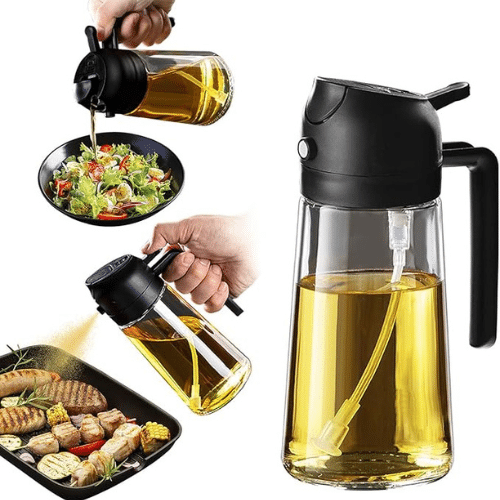
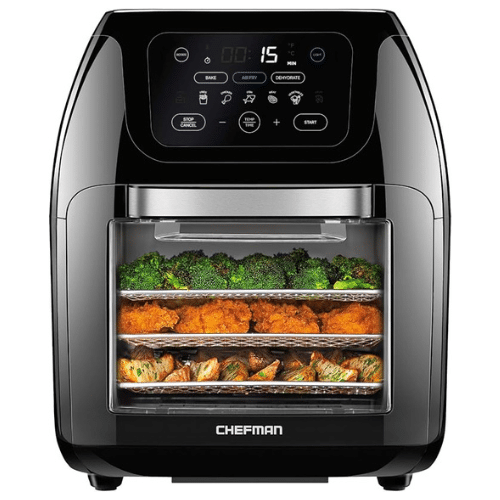
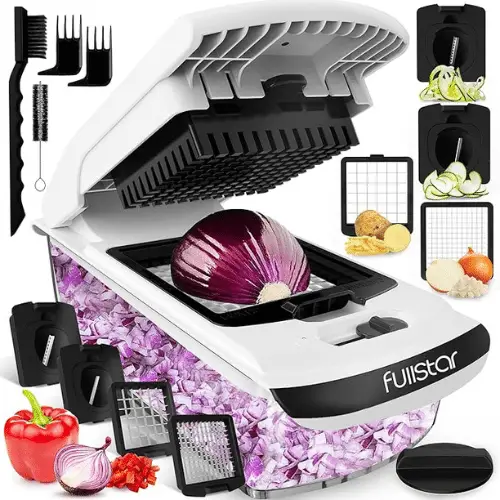
Disclosure: This post contains affiliate links.If you click and make a purchase, I may earn a small commission at no extra cost to you.
Neutral Language Standards for American Readers
Natural American English terminology
Using familiar terms like crescent rolls and deli ham makes the instructions easy for U.S. readers to follow. Clear language eliminates confusion during the fast-paced assembly process.
Natural phrasing ensures that the recipe feels accessible and friendly rather than overly technical. This approach builds trust with the home cooking community.
Avoiding promotional and exaggerated phrasing
Focusing on objective descriptions of textures and flavors provides a more reliable guide for the reader. Avoiding hype allows the quality of the ingredients to speak for itself.
Honest assessments of preparation time and difficulty levels help users set realistic expectations. Neutral language maintains a professional and informative tone throughout the article.
Suitability for U.S. search intent
The content is tailored to meet the needs of American families looking for quick and tasty dinner solutions. Aligning with search intent ensures the recipe is found by those who need it most.
Addressing common questions about ingredient swaps and baking times provides a comprehensive resource. This suitability makes the article a high-value tool for online users.
Structuring a Multidisciplinary Article Outline
Grammatical correctness in headings
Proper grammar in every heading ensures that the guide is professional and easy to read. Clear titles help define the scope of each section within the larger recipe framework.
Correct punctuation and capitalization contribute to the overall readability of the document. This attention to detail reflects a commitment to high editorial standards.
Maintaining short and clear titles
Short titles allow readers to quickly identify the purpose of each paragraph. Clarity in headings is essential for a recipe that involves multiple steps and ingredients.
Brief headers keep the layout clean and prevent the reader from feeling overwhelmed by text. This simplicity is a hallmark of effective web content design.
Alignment with primary search intent
Every heading is designed to answer specific questions a cook might have about the crescent ring process. Alignment with user needs ensures the content remains relevant and helpful.
Focusing on the primary keyword throughout the structure reinforces the main topic. This strategic alignment supports better visibility on search engine result pages.
Guidelines for Drafting Informative H3 Subheadings
Logical connection to parent headings
Subheadings must support the main ideas presented in the H2 sections to maintain a coherent flow. This logical connection helps the reader follow the instructional narrative without confusion.
Each H3 adds depth to the overarching theme of efficient and tasty meal preparation. This structural integrity is vital for long-form culinary content.
Concise and semantically relevant labels
Using labels that accurately reflect the content of the paragraphs helps the reader find specific tips quickly. Semantic relevance ensures that the information is grouped logically.
Concise labels prevent the outline from becoming cluttered or difficult to navigate. This precision is an investment in the reader’s time and success.
Informational depth for specific industries
Providing detailed insights into the science of baking dough ensures the reader understands the “why” behind the steps. This depth elevates the recipe from a simple list to a learning opportunity.
Specific details about cheese melting points and meat moisture levels provide a professional edge. Informational depth is a key component of high-quality recipe blogging.
Content Adaptation for Specific Industry Fields
Health and technology formatting
While this is a savory comfort dish, formatting can highlight lower-sodium options for health-conscious readers. Providing nutritional context helps users make informed decisions about their meals.
Technology in the kitchen, such as using meat thermometers, ensures the chicken reaches the safe internal temperature of 165°F. Proper formatting makes these technical tips easy to spot.
History and finance considerations
The history of Cordon Bleu adds a layer of cultural richness to the dining experience. Understanding the origins of the flavor profile enhances the appreciation of the meal.
From a finance perspective, using cost-effective ingredients like deli meats and canned dough provides great value. This dish is a budget-friendly way to serve a large group.
Recipe and advice column adaptations
Use 2 cans (8 oz each) crescent rolls, 2 cups shredded cooked chicken, 8 oz sliced deli ham, and 6 oz Swiss cheese. These measurements ensure the ring is perfectly filled without overflowing.
Add 1/4 cup Dijon mustard and 1 tbsp melted butter for premium options in flavor and crust color. These additions provide a professional finish to the home-cooked meal.
Adapting the Multidisciplinary Article Outline
Technical versus general topic handling
Preheat your oven to 375°F and arrange the crescent triangles in a circle with the wide ends overlapping. This technical step is crucial for creating the “ring” shape.
Generally, you will layer the ham, chicken, and cheese on the wide base before folding the points over. This simple process makes the recipe accessible to beginners.
Maintaining consistency in specialized fields
Maintaining consistency in dough thickness ensures that the ring bakes evenly across all sections. This specialized focus on technique leads to a better texture in the final product.
Using the same brand of crescent rolls each time can help you predict exact baking times. Consistency is the secret to repeatable success in the kitchen.
Adjusting terminology for targeted audiences
For a family audience, using terms like “kid-friendly” and “party appetizer” helps categorize the dish effectively. Adjusting the language ensures the recipe reaches the right demographic.
Explaining the “egg wash” technique for a shiny crust provides a professional tip for those looking to improve their skills. Tailored terminology enhances the educational value of the post.
Semantic Relevance and Consistency Standards
Eliminating irrelevant information
Removing fluff about unrelated side dishes keeps the focus strictly on the assembly of the ring. Streamlined content allows the reader to stay concentrated on the task at hand.
Eliminating unnecessary anecdotes ensures that the instructional value remains high. Precision in writing is a hallmark of cost-effective professional standards.
Focusing on topic-specific terminology
Using words like “braid,” “tuck,” and “seal” helps the reader visualize the dough manipulation required. Topic-specific terms provide clarity and direction for the assembly phase.
Focusing on the characteristics of Swiss cheese and Dijon mustard reinforces the Cordon Bleu theme. This linguistic consistency strengthens the overall article narrative.
Maintaining a coherent narrative thread
The narrative should move smoothly from the raw ingredients to the golden-brown finished product. A coherent thread keeps the reader motivated to complete the recipe.
Linking the preparation steps to the final serving suggestions provides a satisfying conclusion to the guide. This coherence is essential for high-quality content design.
Fact-Based Content and Accuracy Guidelines
Reliance on provided source information
Using standard baking temperatures and times ensures the safety and quality of the final meal. Relying on proven methods provides a higher level of higher cost efficiency in the kitchen.
Providing accurate measurements for ingredients like 1/2 tsp dried parsley prevents seasoning imbalances. Fact-based instructions are the foundation of a reliable recipe.
Avoiding invented statistics or facts
Only providing verified cooking times ensures that the reader’s meal turns out exactly as described. Avoiding exaggeration about prep time builds long-term trust with the audience.
Accurate descriptions of the “chewy” and “crisp” textures help manage the reader’s expectations. Honesty in food writing is vital for maintaining a professional reputation.
Ensuring evidence-based structural logic
The structural logic of placing the cheese on the bottom and top helps lock the meat in place. This evidence-based approach to layering results in a more stable crescent ring.
Following a logical sequence prevents common mistakes like soggy dough or cold centers. Structural logic is key to mastering the art of the stuffed ring.
Keyword Use in a Multidisciplinary Article Outline
Natural integration in main headings
Including the CHICKEN CORDON BLEU CRESCENT RING RECIPE in the headers reinforces the topic for the reader. Natural integration avoids the feeling of repetitive or forced language.
Strategically placed keywords help guide the reader’s eyes to the most important sections of the page. This practice supports both readability and modern search requirements.
Semantic variation and placement
Using variations like “savory chicken ring” or “ham and cheese crescent bake” keeps the writing fresh. Semantic diversity prevents the text from becoming monotonous or boring.
Placement of these variations throughout the paragraphs ensures a broad coverage of the topic. This variety adds exclusivity in content design and keeps the audience engaged.
Frequency and distribution requirements
Maintaining a steady frequency of the main keyword ensures the reader never loses track of the subject. Proper distribution throughout the H2 and H3 sections creates a balanced document.
Avoiding “keyword stuffing” while maintaining presence is a delicate but necessary balance. This professional distribution is a sign of high-quality web writing.
Finalizing a Multidisciplinary Article Outline
Verification of heading counts
Double-checking the number of headers ensures that all planned information has been delivered. Verification is a crucial step in the final review process for any article.
Ensuring every H2 has its corresponding H3 subheadings creates a complete and polished final product. This thoroughness is expected by readers at homemademenus.com.
Checking for banned promotional terms
Removing overly salesy language ensures the content remains objective and trustworthy. A final sweep for promotional terms protects the integrity of the informative guide.
Focusing on the value provided to the reader is more effective than using empty superlatives. This check maintains the high standards of the multidisciplinary outline.
Final review of American English spelling
A final review ensures that words like “flavor” and “savory” are spelled correctly for a U.S. audience. Consistent spelling is the finishing touch on a professional recipe post.
Checking for clarity and grammatical flow ensures the article is ready for immediate use. This final polish guarantees a high-quality experience for every visitor.
