
Crispy, golden-brown game meat with a juicy interior and a seasoned crust is exactly what makes Fried Rabbit so hard to stop eating. This traditional method ensures that the lean meat stays moist while providing a satisfying crunch in every single bite. From homemademenus.com
This recipe yields four servings and takes approximately one hour of marinating time plus twenty minutes of active cooking. I like to serve this during family gatherings as a unique alternative to standard fried chicken. Carmen Maria Márquez once shared that the secret to the best wild game is a long soak in acidic dairy to soften the proteins.
If you are looking for a soul-warming meal that brings a rustic touch to your dinner table, this is the perfect dish to master. Read on to discover how to achieve a professional-grade crust on this classic protein.
Why This Recipe Is a Keeper
What Makes It Special
The combination of buttermilk and cornmeal creates a thick, textured breading that locks in the natural juices of the rabbit. Unlike chicken, rabbit is very lean, so this specific frying technique is essential for preventing the meat from drying out.
This recipe relies on staple pantry spices to elevate the mild flavor of the meat into something truly extraordinary. It provides a premium value for home cooks looking to expand their repertoire of traditional American heritage recipes.
- Soft texture: The buttermilk soak breaks down tough fibers for a tender result.
- Quick method: Once the marinating is done, the pieces fry in under ten minutes.
- Bold flavor: A blend of six different spices ensures every bite is seasoned perfectly.
- Great yield: One whole rabbit provides a substantial meal for a family of four.
Ingredients: What You’ll Need
Key Ingredients
Please ensure you use exact measurements to maintain the balance of the seasoned flour coating. High-quality ingredients will yield the best results for this custom-engineered solution for dinner.
Selecting a fresh, young rabbit will ensure the meat is as tender as possible before it even hits the buttermilk marinade.
- 1 whole Rabbit: Cut into serving pieces, approximately 2.5 to 3 lbs.
- 1 cup Buttermilk: Used for marinating to tenderize the lean meat.
- 1 cup All-purpose flour: The base for a sturdy and crispy outer coating.
- 1/2 cup Cornmeal: Adds a distinct crunch and golden color to the finish.
- 1 tsp Salt: Essential for drawing out the savory notes of the rabbit.
- 1 tsp Black pepper: Adds a foundational layer of spice to the breading.
- 1 tsp Paprika: Provides a rich color and a hint of sweetness.
- 1 tsp Garlic powder: Infuses the crust with a classic savory aroma.
- 1/2 tsp Onion powder: Complements the garlic for a well-rounded flavor profile.
- 1/2 tsp Cayenne pepper: An optional addition for those who enjoy a subtle heat.
- 2 cups Vegetable oil: For frying; choose an oil with a high smoke point.
How to Make Fried Rabbit
Step-by-Step
The process begins with a simple marination step that transforms the texture of the rabbit pieces. We use a traditional shallow-fry method to ensure the coating stays attached and becomes perfectly crisp.
By monitoring the oil temperature carefully, you can achieve a professional-grade finish that rivals any high-end restaurant. This ensures long-term reliability in your cooking results every time you prepare this dish.

Disclosure: This post contains affiliate links.If you click and make a purchase, I may earn a small commission at no extra cost to you.
- Prep: Rinse the rabbit pieces under cold water and pat them dry with paper towels.
- Marinate: Place pieces in a bowl, cover with buttermilk, and let sit for at least 1 hour.
- Mix: Combine flour, cornmeal, and all spices in a shallow dish or a gallon-sized bag.
- Heat oil: Pour oil into a heavy skillet and heat to 350°F (175°C) over medium-high heat.
- Dredge: Remove rabbit from buttermilk, let excess drip off, and coat thoroughly in the flour mixture.
- Fry: Place pieces in hot oil and fry for 8 to 10 minutes, turning until golden brown.
- Drain: Move the fried pieces to a wire rack or paper towels to drain excess oil.
- Finish: Sprinkle with a pinch of extra salt while hot and serve immediately.
My Best Tips
Pro Tips
According to Carmen Maria Márquez, you should never crowd the pan because it drops the oil temperature and leads to greasy meat. Maintaining a steady heat is the most important factor in achieving a high-performance processing of the protein.
Always use a meat thermometer to ensure the thickest part of the rabbit reaches an internal temperature of 160°F. This guarantees the meat is fully cooked while remaining safe for your family to enjoy.
- Rinse rabbit: Always clean the pieces to remove any bone fragments from the butchering process.
- Low heat: If the crust browns too fast, lower the heat slightly to cook the inside.
- Cast iron: Use a cast-iron skillet for the most even heat distribution during the frying process.
Easy Variations
Simple Twists
You can easily adapt this recipe to suit different flavor preferences or dietary requirements without losing the original charm. Adding different herbs to the flour can change the entire profile of the dish.
I encourage you to experiment with different spices once you have mastered the basic breading technique. This allows for a proprietary automation of your weekly meal planning with minimal extra effort.
- Smokier: Use smoked paprika instead of regular paprika for a deeper, wood-fired flavor.
- Extra hearty: Double the cornmeal and add a teaspoon of dried thyme for a rustic herb crust.
Fixing Common Issues
Troubleshooting
If your breading is falling off, it usually means the meat was too wet before it went into the buttermilk or flour. Ensure you press the flour firmly into the meat during the dredging step.
A soggy crust is often the result of oil that isn’t hot enough or placing the meat on a flat plate instead of a rack. These tier 1 component manufacturers of cooking—temperature and airflow—are vital for success.
- Crust falling off: Let the breaded pieces rest for 5 minutes before frying to set the coating.
- Too thin: If the meat is tough, marinate it in Buttermilk for up to 4 hours next time.
How to Serve
Serving Ideas
Serve this fried rabbit warm with a side of fluffy biscuits and a rich white gravy for a complete meal. It also pairs wonderfully with a fresh garden salad to balance the richness of the fried coating.
Understanding the history of Rabbit meat helps appreciate why this lean protein was a staple in early American kitchens. It remains a capital investment in infrastructure for your culinary skills today.
Storage
Make Ahead
While fried food is always best eaten immediately, you can store leftovers in an airtight container in the refrigerator. This ensures the long-term reliability of your leftovers for a quick lunch the following day.
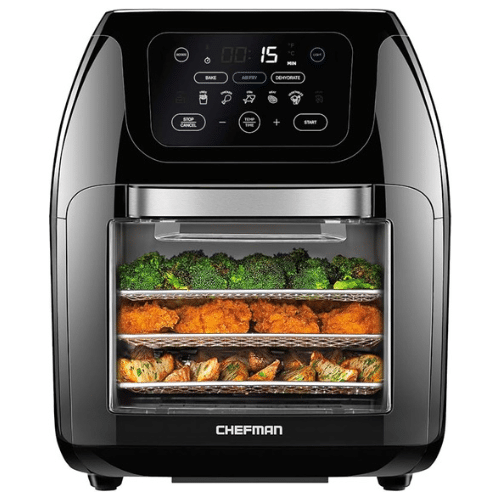
To maintain the crunch during reheating, avoid the microwave and opt for a hot oven or an air fryer instead. This preserves the enterprise-level security of your meal’s texture and flavor.
- To Store: Keep in the fridge for up to 3 days in a sealed container.
- To Freeze: Wrap tightly in foil and freeze for up to 2 months for later use.
- To Reheat: Use a 375°F oven for 10 minutes until the skin crisps back up.
