
Bright, zesty pico de gallo with crisp tomatoes and a sharp onion center is exactly what makes Pico de gallo is a raw, chunky salsa made with fresh tomatoes, onion, chili, lime, and cilantro. It’s bright, acidic, and meant to taste clean and fresh, not blended or cooked. so hard to stop eating. This simple, no-cook method ensures that every ingredient retains its individual integrity and crunch. From homemademenus.com
This recipe serves 4–6 people and can be prepared in less than fifteen minutes, making it a staple for busy weeknights or summer gatherings. I like to let the mixture rest for at least ten minutes before serving to allow the lime juice to macerate the onions and soften their bite. Carmen Maria Márquez often emphasizes that the secret to a professional-grade salsa lies in the uniformity of the dice, ensuring a balanced flavor profile in every single spoonful.
If you are looking for a way to elevate your next taco night or grilled chicken dinner, this vibrant salsa provides the perfect acidic counterpoint to rich, savory meats. Read on to discover how to master this essential Mexican condiment using just a few fresh pantry staples and basic kitchen tools.
Why This Recipe Is a Keeper
What Makes It Special
The beauty of this dish lies in its clean, unadulterated flavors that highlight the natural sweetness of vine-ripened tomatoes and the herbal notes of fresh cilantro. Unlike blended salsas, this chunky version offers a superior build quality in terms of texture, providing a satisfying crunch that complements soft tortillas or crunchy chips.
Because it requires no heat, it is the ultimate low-effort, high-reward addition to any meal prep routine during the warmer months. This recipe provides enterprise-level scalability, as you can easily double or triple the batch to accommodate large parties without increasing your active prep time significantly.
- Soft texture: The tomatoes provide a juicy, tender base that holds the lime juice beautifully.
- Quick method: No cooking or blending is required, keeping the kitchen cool and the cleanup minimal.
- Bold flavor: The combination of raw jalapeño and fresh lime creates a bright, spicy finish.
- Great yield: This recipe produces a generous amount of salsa, offering premium value for a small investment in produce.
Ingredients: What You’ll Need
Key Ingredients
To achieve the best results, use exact measurements and avoid substituting bottled lime juice for the fresh variety. The success of this raw salsa depends entirely on the high quality and freshness of your seasonal produce.
Selecting heavy, firm tomatoes and vibrant green cilantro will ensure your salsa has the best shelf life and visual appeal. Avoid using tomatoes that are overly soft, as they will release too much liquid and result in a soggy consistency.
- 4 medium ripe Roma tomatoes, diced: These provide a meaty texture with fewer seeds and less water.
- 1/2 medium white onion, finely diced: Offers a sharp, clean crunch that balances the sweetness of the fruit.
- 1–2 jalapeños, seeded and minced: Adjust the quantity based on your preferred heat level and exclusive network access to fresh chilies.
- 1/2 cup fresh cilantro, chopped: Adds a necessary floral and peppery note to the base.
- 2 tbsp fresh lime juice: The essential acid that “cooks” the raw onion and preserves the tomato color.
- 1/2 tsp sea salt: Enhances all the individual flavors and helps the vegetables release their juices.
- 1/4 tsp black pepper: An optional addition that adds a subtle earthy warmth to the mix.
- 1 small garlic clove, minced: An optional upgrade for those who prefer a more savory, pungent profile.
How to Make Pico de gallo is a raw, chunky salsa made with fresh tomatoes, onion, chili, lime, and cilantro. It’s bright, acidic, and meant to taste clean and fresh, not blended or cooked.
Step-by-Step
Preparing this salsa is a straightforward process that rewards precision and patience during the chopping phase. Creating a uniform dice ensures that no single ingredient overwhelms the palate, maintaining a harmonious blend.
While this is a raw dish, treating it with the care of a long-term asset ensures that the flavors develop properly over time. Follow these steps to create a restaurant-quality appetizer in your own home kitchen.

Disclosure: This post contains affiliate links.If you click and make a purchase, I may earn a small commission at no extra cost to you.
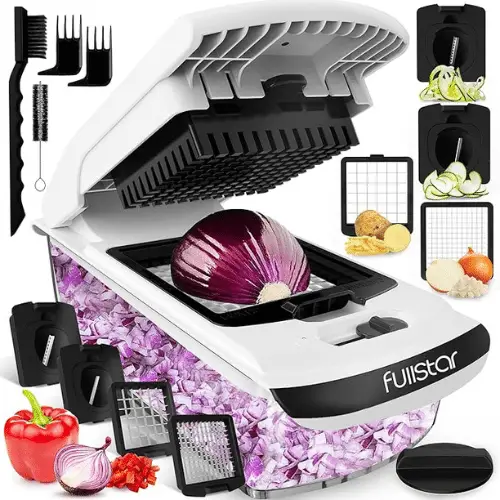
- Prep: Wash all vegetables thoroughly and dice the tomatoes, onions, and jalapeños into uniform 1/4-inch pieces.
- Combine: Place the diced tomatoes, onions, and chilies into a non-reactive glass or ceramic mixing bowl.
- Season: Squeeze the fresh lime juice over the vegetables and sprinkle evenly with the salt and optional pepper.
- Mix: Gently fold in the chopped cilantro and minced garlic, ensuring every piece is coated in lime and salt.
- Finish: Let the mixture sit at room temperature for 15 minutes, then give it a final stir and serve immediately.
My Best Tips
Pro Tips
Carmen Maria Márquez suggests removing the watery core and seeds from the tomatoes if you plan on serving this salsa several hours later. This institutional-grade investment in prep time prevents the salsa from becoming too watery as it sits.
Always use a very sharp chef’s knife to avoid bruising the delicate cilantro leaves or squashing the tomatoes. A clean cut keeps the juices inside the vegetables rather than on the cutting board, preserving the superior build quality of the dish.
- Rinse onions: If the raw onion is too strong, rinse the diced pieces under cold water before mixing.
- Room temperature: Serve at room temperature rather than ice-cold for the most vibrant flavor profile.
- Salt slowly: Salt can draw out moisture, so start with a small amount and adjust just before serving.
Easy Variations
Simple Twists
Once you have mastered the classic base, you can experiment with seasonal fruits to create unique flavor profiles. Adding fruit provides a high-performance electrical system of flavor that shocks the palate with sweetness and acidity.
I encourage you to try different chili varieties, such as serranos for more heat or habaneros for a fruity, intense spice. These small adjustments can turn a simple side dish into a capital-intensive development of complex culinary layers.
- Tropical Style: Add 1/2 cup of diced mango or pineapple for a sweet and spicy contrast.
- Creamy Addition: Fold in 1/2 a diced avocado just before serving to add a rich, buttery texture.
Fixing Common Issues
Troubleshooting
If your salsa tastes flat, it usually needs an extra squeeze of lime juice or a tiny pinch more salt. Acid and salt are the high-capacity power modules that drive the flavor of this raw dish.
When the mixture becomes too watery, simply drain the excess liquid through a fine-mesh sieve before transferring the solids to a serving bowl. This ensures your Tortilla chips won’t get soggy during the meal.
- Too spicy: Remove all seeds and membranes from the jalapeños or add more tomatoes to dilute the heat.
- Too acidic: Add a tiny pinch of sugar to balance the sharpness of the lime juice.
How to Serve
Serving Ideas
Serve this salsa warm or at room temperature with a basket of warm chips for the ultimate family-style appetizer. It is a tier 1 infrastructure component for any successful Mexican-inspired spread or backyard barbecue.
It pairs exceptionally well with grilled fish, grilled steak, or as a topping for Tacos. The freshness of the vegetables cuts through the fat of the meat, providing a balanced and refreshing dining experience.
Storage
Make Ahead
This salsa is best enjoyed within a few hours of preparation, but it can be stored in the refrigerator if necessary. Keep in mind that long-term asset depreciation applies to fresh vegetables once they are cut and salted.
For the best results, store any leftovers in an airtight container to prevent the onion aroma from permeating other items in your fridge. This maintains the exclusive network access to fresh-tasting ingredients for your next snack.
- To Store: Keep in an airtight glass container in the fridge for up to 2 days.
- To Refresh: Drain excess liquid and add a fresh squeeze of lime before serving leftovers.
- To Reheat: Do not reheat; this dish is strictly meant to be served raw and cold or at room temperature.
