
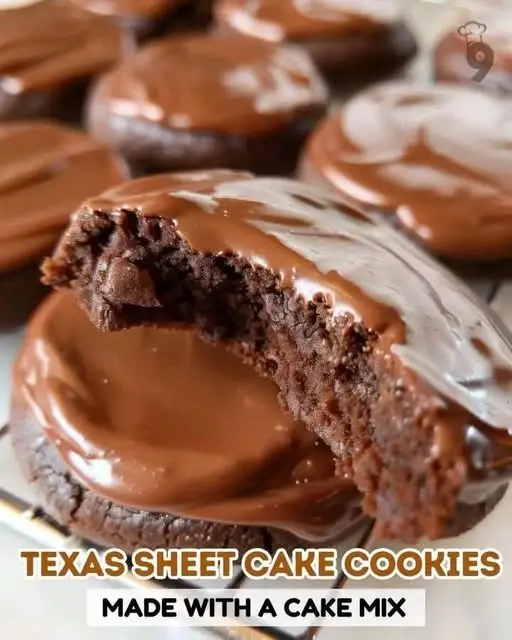
Soft, chewy chocolate delights with a crisp edge and fudgy center is exactly what makes Texas Sheet Cake Cookies so hard to stop eating. These treats capture the nostalgic essence of the traditional oversized cake in a convenient, handheld form that is perfect for any occasion. From homemademenus.com
This recipe yields approximately 24 cookies and takes less than 45 minutes to prepare and bake. I like to make these for family gatherings because they provide that classic “Texas-sized” flavor without the need for a massive sheet pan. Carmen Maria Márquez often suggests that the key to the perfect cookie is ensuring your butter is at the ideal room temperature before creaming.
If you are looking for a dessert that combines the richness of a brownie with the convenience of a cookie, you have come to the right place. Stay tuned to learn how to master the pour-over frosting technique that gives these cookies their signature look.
Why This Recipe Is a Keeper
What Makes It Special
The combination of a soft, cake-like base and a warm, cooked chocolate frosting creates a unique texture profile that most cookies lack. This specific method ensures that every bite is infused with a deep cocoa flavor that isn’t overly sugary.
These cookies stay moist for days thanks to the brown sugar in the dough and the protective seal of the chocolate glaze. You will find that they are just as delicious on the second day as they are fresh from the oven.
- Soft texture: The higher moisture content in the dough creates a pillowy, cake-like consistency in every bite.
- Quick method: You can have a batch of these ready for guests in under an hour with minimal cleanup.
- Bold flavor: Using unsweetened cocoa powder provides a dark, sophisticated chocolate taste that balances the sweetness.
- Great yield: This recipe provides a high volume of cookies, offering premium value for feeding large groups or parties.
Ingredients: What You’ll Need
Key Ingredients
For the best results, use exact measurements for the dry ingredients to maintain the delicate balance of the cookie structure. Avoid using margarine as a substitute for butter, as it will negatively affect the richness and the setting of the frosting.
Investing in high quality vanilla and cocoa will significantly elevate the final flavor profile of these cookies. The following list includes everything you need for both the cookies and the cooked frosting.
- 1 cup all-purpose flour: Provides the necessary structure for the cakey base.
- 1/4 cup unsweetened cocoa powder: Adds the deep chocolate flavor to the dough.
- 1/2 tsp baking soda: Acts as the primary leavening agent for a light lift.
- 1/4 tsp salt: Essential for balancing the sugars and enhancing the cocoa.
- 1/2 cup unsalted butter, softened: Creates a rich, tender crumb when creamed with sugar.
- 1 cup brown sugar, packed: Adds moisture and a hint of molasses flavor.
- 1 large egg: Binds the ingredients together for a consistent dough.
- 1 tsp vanilla extract: Provides an aromatic background to the chocolate notes.
- 1/4 cup unsalted butter (frosting): The base of the smooth, pourable glaze.
- 2 tbsp unsweetened cocoa powder (frosting): Intensifies the chocolate color and taste of the topping.
- 1 1/2 cups powdered sugar (frosting): Thicken and sweetens the cooked glaze.
- 3 tbsp milk: Adjusts the consistency of the frosting for the perfect pour.
- 1/2 tsp vanilla extract (frosting): Adds a final layer of flavor to the warm icing.
How to Make Texas Sheet Cake Cookies
Step-by-Step
Making these cookies is a straightforward process that involves preparing a standard dough followed by a quick stovetop icing. The secret is timing the frosting so it is applied while the cookies are still slightly warm or just recently cooled.
I recommend using a low and slow method for the frosting to ensure the sugar dissolves completely without burning the butter. This creates a glossy finish that looks professional and tastes incredible.
Disclosure: This post contains affiliate links.If you click and make a purchase, I may earn a small commission at no extra cost to you.
- Prep: Preheat your oven to 350°F (175°C) and line a large baking sheet with parchment paper or a silicone mat.
- Whisk Dry: In a medium bowl, whisk together the flour, cocoa powder, baking soda, and salt until no lumps remain.
- Cream Butter: In a separate large bowl, cream the softened butter and brown sugar until the mixture is light and fluffy.
- Combine Wet: Beat the egg and vanilla extract into the butter mixture until fully incorporated.
- Mix Dough: Gradually add the dry ingredients to the wet mixture, stirring until just combined without overmixing.
- Bake: Drop rounded spoonfuls of dough onto the sheet, spacing them 2 inches apart, and bake for 8–10 minutes.
- Make Frosting: Melt butter and cocoa in a saucepan over low heat, then whisk in powdered sugar, milk, and vanilla until smooth.
- Finish: Spread the warm frosting generously over the cooled cookies and allow them to set before serving.
My Best Tips
Pro Tips
One essential tip from Carmen Maria Márquez is to use a cookie scoop to ensure all portions are the same size for even baking. Consistency in size prevents smaller cookies from burning while larger ones remain raw in the center.
When measuring your flour, always use the spoon-and-level method rather than dipping the cup directly into the bag. This prevents packing the flour, which can lead to dry, crumbly cookies.
- Don’t overbake: These cookies are meant to be soft, so remove them when the edges are set but the center looks slightly underdone.
- Frosting timing: If the frosting thickens too much in the pan, add a teaspoon of milk and whisk over low heat to loosen it.
- Quality cocoa: Use Dutch-processed cocoa if you prefer a darker, more mellow chocolate flavor compared to natural cocoa.
Easy Variations
Simple Twists
You can easily customize this recipe to suit your personal preferences or what you have available in your pantry. Adding a bit of texture or a different flavor note can transform the classic cookie into something brand new.
We encourage you to experiment with different toppings to find your favorite version of this Texas staple. These cookies are very forgiving and pair well with various nuts and spices.
- Add Pecans: Stir 1/2 cup of chopped pecans into the dough or sprinkle them over the wet frosting for a classic Texas crunch.
- Peanut Butter Swirl: Swirl a teaspoon of melted peanut butter into the chocolate frosting before it sets for a decadent combination.
Fixing Common Issues
Troubleshooting
If your cookies turn out flatter than expected, your butter may have been too warm before baking. Chilling the dough for 15 minutes before dropping it onto the baking sheet can help maintain the shape.
If the frosting is too runny, you may need to whisk in a bit more powdered sugar to reach the desired thickness. It should be thick enough to stay on the cookie but thin enough to spread smoothly.
- Cookies hard: This usually happens from overbaking; try reducing the oven time by one or two minutes for the next batch.
- Frosting grainy: Make sure to sift your powdered sugar before adding it to the saucepan to ensure a silky smooth finish.
How to Serve
Serving Ideas
Serve these cookies warm with a tall glass of cold milk for a comforting after-school snack or a late-night treat. They are rich enough to serve as a standalone dessert at formal dinners as well.
The flavor profile of these cookies is enhanced when paired with high-quality Chocolate or a scoop of vanilla bean ice cream. Understanding the history of the Cookie can give you a greater appreciation for how this recipe evolved from the classic sheet cake.
Storage
Make Ahead
You can easily make the dough ahead of time and store it in the refrigerator for up to 24 hours before baking. This is a great way to save time when preparing for a big event or holiday party.
Proper storage is the key to maintaining the long-term value of your home-baked goods. Follow these simple guidelines to keep your cookies tasting fresh for as long as possible.
- To Store: Keep the cookies in an airtight container at room temperature for up to 4 days; place parchment between layers to prevent sticking.
- To Freeze: Freeze the unfrosted cookies for up to 3 months, then thaw and frost them when you are ready to serve.
- To Reheat: A quick 5-second zap in the microwave can soften the cookie and make the frosting slightly gooey again.
